
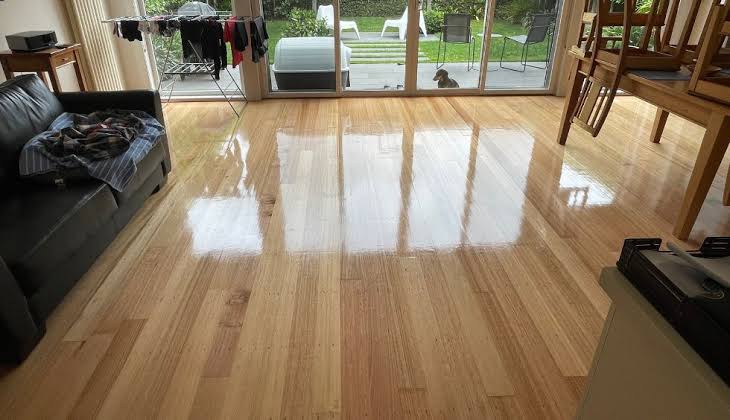
Top Timber Restoration Tips For A Flawless Finish
Timber restoration is an essential practice that not only enhances the aesthetic appeal of wooden structures but also prolongs their lifespan and functionality. As a sustainable alternative to replacement, timber restoration involves the careful assessment, repair, and maintenance of wood materials, allowing for the preservation of both historical and contemporary installations. With increasing awareness about environmental sustainability and the importance of heritage conservation, more homeowners and businesses are turning to timber restoration as a viable solution to minimize waste and reduce their carbon footprint.
This comprehensive approach encompasses various techniques, including cleaning, refinishing, and reinforcing timber components, ensuring that they withstand challenges such as weather exposure, insect infestation, and wear over time. By employing expert craftsmanship and innovative technologies, timber restoration not only revives the original beauty of wooden structures but also contributes to their structural integrity, making it a critical service in the realm of construction and home improvement. As we delve deeper into the world of timber restoration, we’ll explore the benefits, processes, and best practices that make it an indispensable part of maintaining wooden assets.
Benefits of Timber Restoration
Timber restoration offers numerous advantages that extend beyond mere aesthetic improvements. By revitalizing wooden structures, homeowners and businesses can significantly enhance their property value while ensuring longevity. This practice also helps to preserve the character and historical significance of older buildings, serving as a testament to craftsmanship and tradition. Furthermore, opting for timber restoration in Sydney allows property owners to minimize their environmental impact, as it reduces the need for new materials and minimizes waste. With a focus on sustainable practices, timber restoration aligns perfectly with modern eco-conscious values.
Techniques and Best Practices
The process of timber restoration employs various techniques tailored to meet the specific needs of the wood in question. Cleaning is often the first step, removing dirt and grime that can damage the wood over time. This may be followed by refinishing, using stains or sealants to protect the surface and enhance its aesthetic appeal. Reinforcement techniques may involve replacing damaged sections, applying treatments to combat pests, or utilizing modern technologies like moisture control systems. By adhering to best practices, professionals ensure that restored timber not only looks magnificent but also stands resilient against the elements, enabling structures to endure for future generations.
In conclusion, timber restoration is a vital investment for property owners aiming to safeguard both the beauty and integrity of their wooden structures. By embracing the principles of sustainability and heritage conservation, individuals can play a crucial role in the preservation of their environment and history. The multifaceted techniques involved in timber restoration, from thorough cleaning to strategic reinforcement, ensure that each project is tailored to the specific conditions and needs of the timber at hand. As we continue to prioritize eco-friendly practices and value the stories embedded in our architectural heritage, timber restoration stands out as an effective solution that marries functionality with aesthetic charm, ultimately fostering a deeper appreciation for the craftsmanship and natural beauty of wood.
