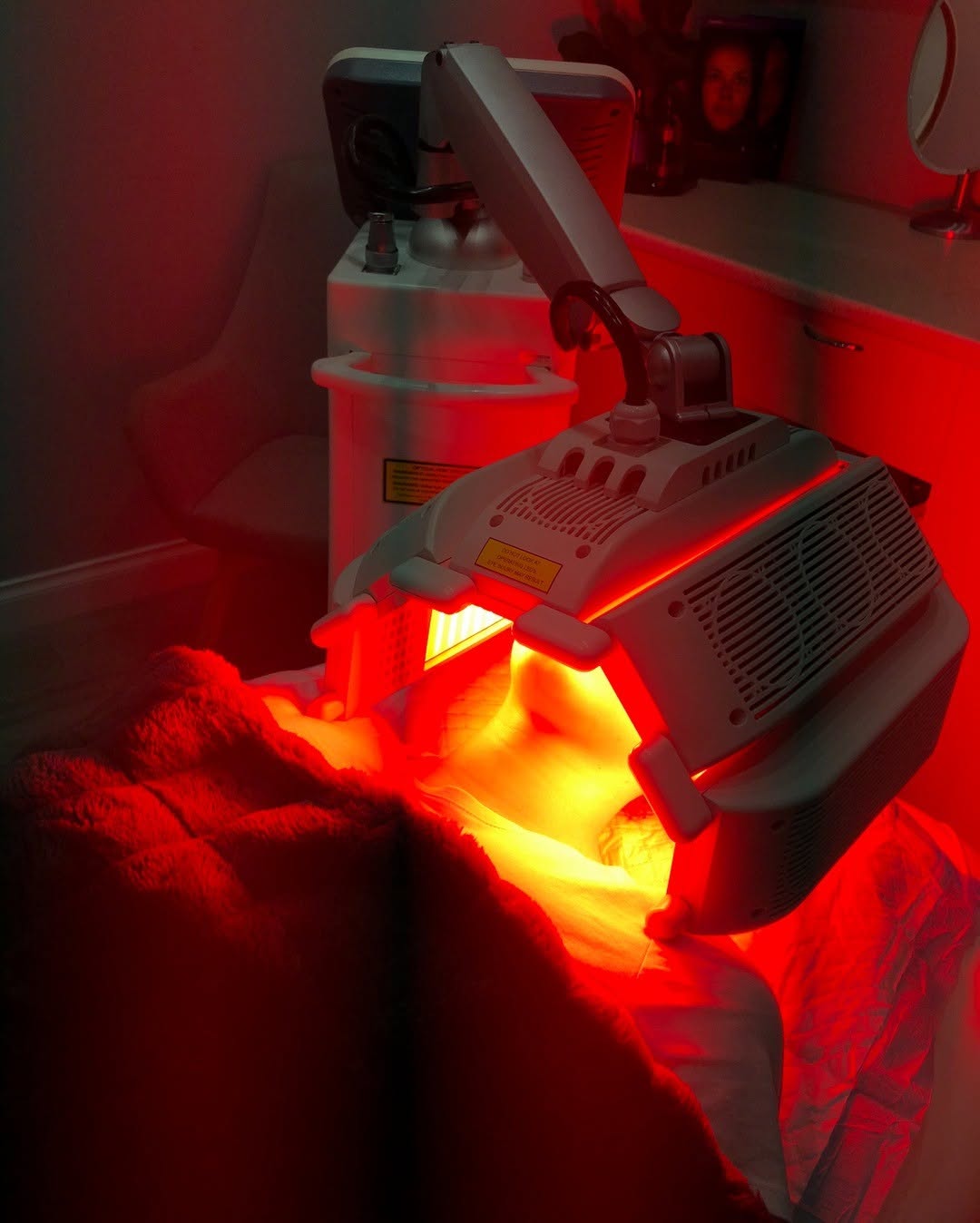
The Total XEN red light therapy bed is revolutionizing the way we approach wellness and self-care. Utilizing advanced light therapy technology, this innovative device harnesses the power of red and near-infrared wavelengths to promote healing, enhance skin health, and improve overall well-being. As more people seek non-invasive solutions for rejuvenation and pain relief, the Total XEN bed stands out as a cutting-edge tool designed to fit seamlessly into modern health regimens.
In an era where self-care and preventive health measures are paramount, the Total XEN red light therapy bed offers a unique and effective way to address a variety of concerns, from rejuvenating tired skin to alleviating muscular discomfort. With its user-friendly design and proven benefits, this therapy bed is becoming a staple in both professional treatment settings and home wellness routines. Join us as we explore the features, benefits, and science behind this transformative technology.
Benefits of Red Light Therapy
The Total XEN red light therapy bed provides a multitude of benefits that cater to both aesthetic and therapeutic needs. The carefully calibrated wavelengths penetrate the skin at a cellular level, promoting increased collagen production, reducing inflammation, and accelerating the body’s natural healing processes. Users often report improvements in skin elasticity, a reduction in fine lines, and a more youthful complexion. Moreover, this therapy aids in alleviating muscle soreness and joint pain, making it an ideal solution for athletes and those with active lifestyles seeking recovery and relief.
Scientifically Supported Technology
The science behind the Total XEN bed is backed by research demonstrating the efficacy of red and near-infrared light in enhancing cellular energy production and regeneration. This powerful therapy not only revitalizes skin health but also supports overall wellness by improving blood circulation and promoting relaxation. For those interested in integrating advanced light therapy into their wellness programs, Aesthetic Bureau’s full body red light therapy machine serves as an exceptional option, designed to maximize the therapeutic effects of this innovative technology. By incorporating red light therapy into daily routines, users can foster a profound sense of health and vitality.
In summary, the Total XEN red light therapy bed encapsulates a holistic approach to well-being, merging cutting-edge technology with tangible health benefits. Its ability to promote skin rejuvenation, enhance recovery from physical strain, and support overall energy levels reflects a comprehensive understanding of the body’s needs in today’s fast-paced world. As users embrace this transformative therapy, they not only invest in their physical appearance but also prioritize their long-term health, making the Total XEN bed a vital addition to the growing wellness landscape. Whether utilized in professional settings or at home, this innovative device is redefining self-care, empowering individuals to harness the healing power of light for a more vibrant and balanced life.